
Wheat
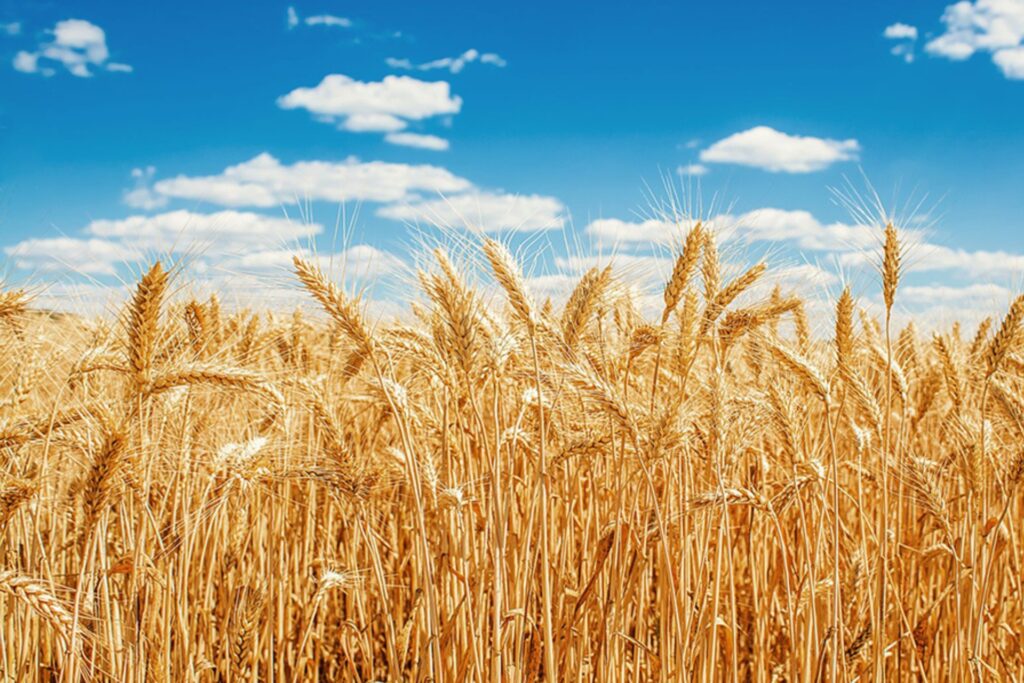
Wheat is Pakistan’s staple food crop, covering the largest area and producing the highest yield. It is mainly grown as a Rabi crop in the provinces of Sindh, Punjab, NWFP, and Balochistan. In northern Balochistan, a small amount of winter wheat is also cultivated. Despite significant government efforts, Pakistan is still unable to achieve self-sufficiency in wheat production. The country continues to import around 2 million tons of wheat annually. This importation costs Pakistan approximately 8 billion rupees. Wheat remains a critical crop in Pakistan’s agricultural landscape.
Rice
Rice is a vital crop in Pakistan, contributing significantly to export earnings, domestic jobs, and rural development. It is both an essential food and a major cash crop. The fertile lands of Punjab, Sindh, and Balochistan are the primary areas for rice cultivation. Millions of farmers in these regions depend on rice farming for their livelihoods. Basmati rice, known for its superior flavor and quality, is one of the most famous varieties grown. This crop supports the economy and provides employment in rural areas. Rice cultivation plays a central role in the agricultural landscape of Pakistan.

Cotton
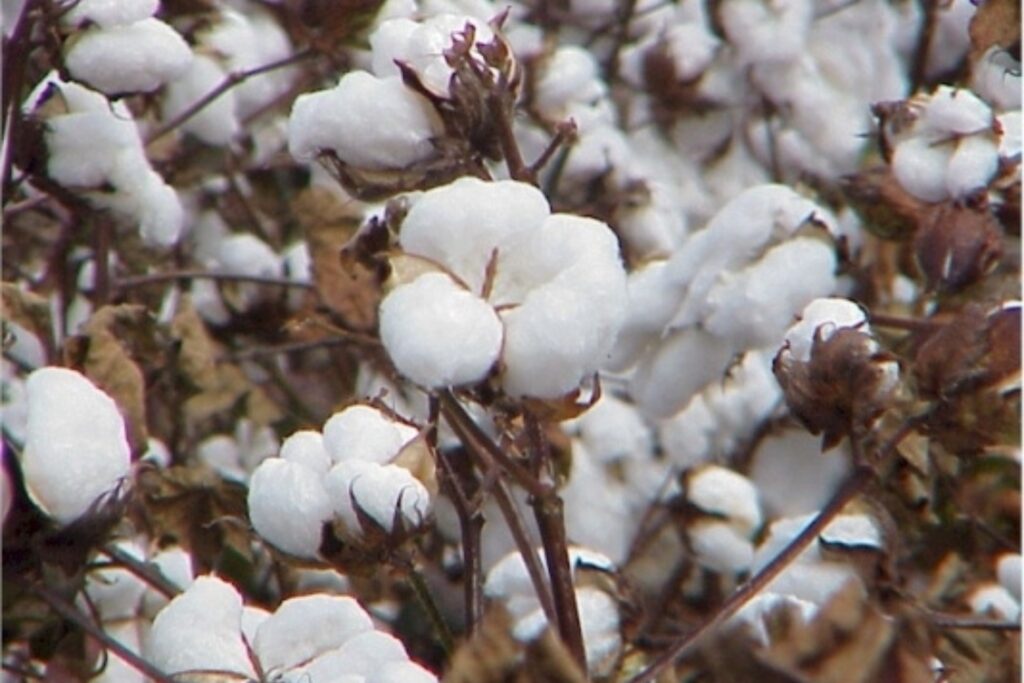
Cotton is Pakistan’s most important cash crop, and the country ranks as the sixth-largest cotton producer globally. It also has the third-largest cotton spinning capacity in Asia, after China and India. Thousands of ginning and spinning units across the country process cotton into various textile products. Improving cotton yield per acre can significantly enhance the livelihoods of around 1.5 million smallholder farmers who depend on cotton for their income. Cotton farming plays a crucial role in Pakistan’s agricultural economy. The cotton industry supports a vast network of production and employment. It remains essential to Pakistan’s textile sector and rural economy.
Sugarcane
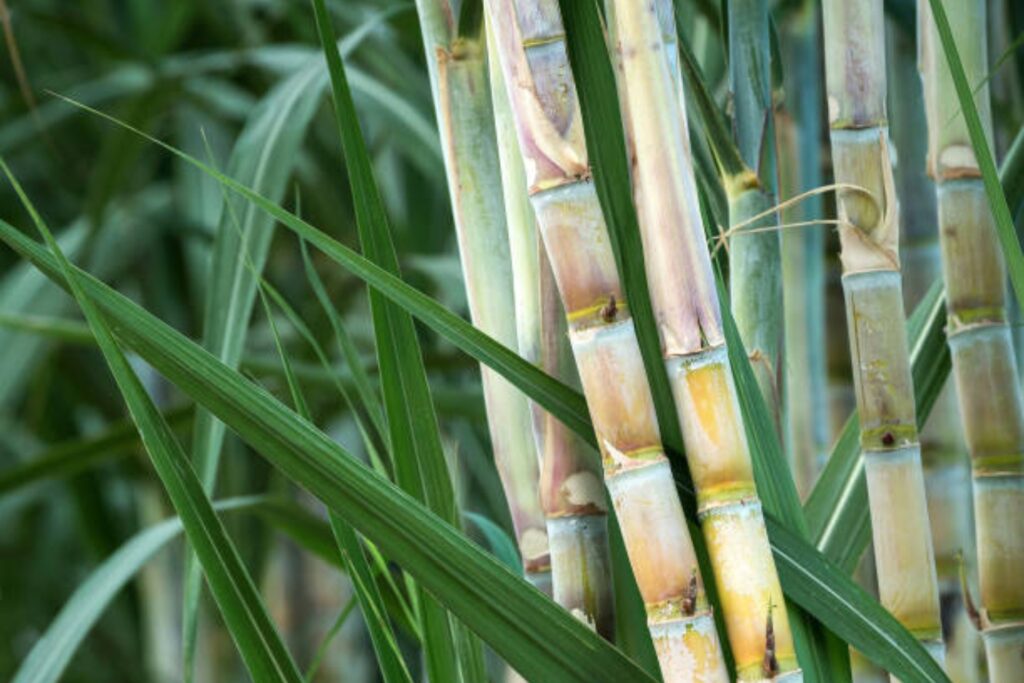
Sugarcane is a key cash crop in Pakistan, primarily cultivated for sugar and other sugary products. It provides a significant source of income and employment for the country’s farming community. In addition to its use in the sugar industry, sugarcane is essential for various other industries, including chipboard, paper, chemicals, plastics, paints, and detergents. It is also used in the production of fibers, insecticides, and confectionery. Over time, sugarcane production in Pakistan has steadily increased. The crop plays a vital role in both agriculture and industry. Its diverse applications contribute to the country’s economic growth.
Maize
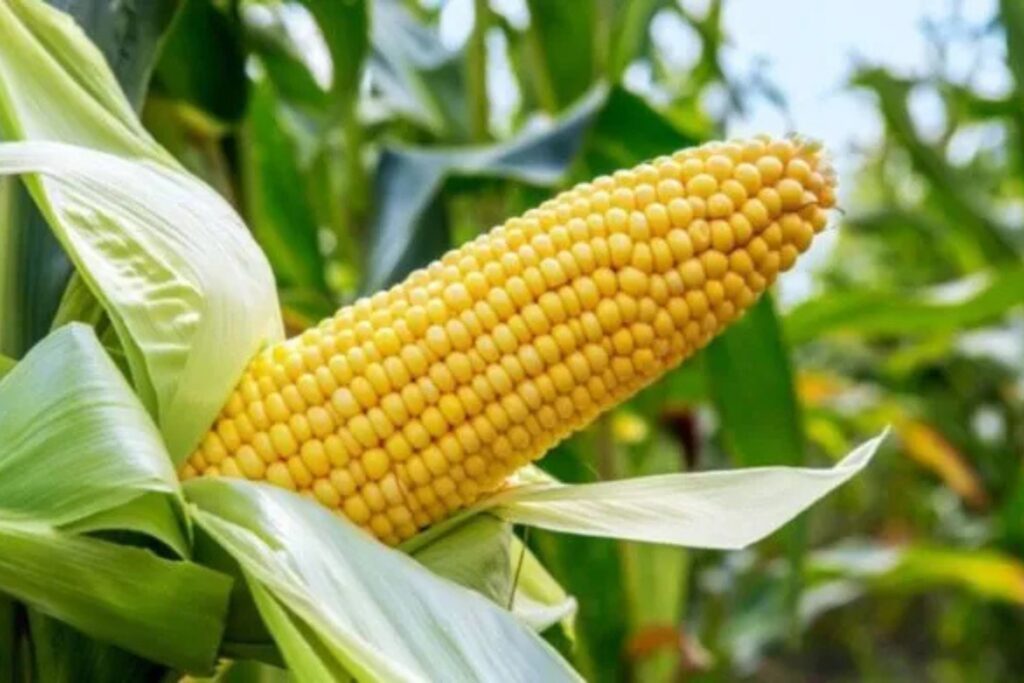
Maize is Pakistan’s third most important cereal crop, following wheat and rice. It is used globally as food, animal feed, and in various industrial applications. The crop plays a significant role in ensuring food security in many developing countries across Asia and Africa. Maize is often referred to as “the other gold” due to its wide range of industrial uses. With high per-acre yields, it can support a large number of people. Today, maize grain is also being used as a novelty food. Its versatility makes it an important crop in Pakistan’s agricultural sector.
Potato
Pakistani farmers are keen on obtaining reliable potato varieties from high-quality, certified seed potatoes. Potatoes are one of Pakistan’s major edible and profitable crops, ranking fourth after wheat, rice, and maize. Often considered a complete diet, potatoes are rich in starch, as well as vitamins, minerals, and proteins. The potato crop yields significantly higher per unit area compared to other crops. This makes it a valuable crop for farmers. Its nutritional content and high yield potential make it essential for both food security and economic prosperity. Potato cultivation plays a key role in Pakistan’s agricultural industry.
